
A carefully planned approach to your care
Understanding your diagnosis is the first step towards an informed decision. Treatment is not selected from a photograph alone: symptoms, anatomy, dental condition and your medical history must be considered together. This information explains possible approaches and helps you prepare questions for a consultation; it does not replace a personal examination.
What does this treatment involve?
A zygomatic implant is a longer dental implant anchored in the cheekbone rather than relying entirely on the tooth-bearing upper jaw. It can help support a connected dental prosthesis when severe maxillary bone loss limits conventional implants. It is an advanced reconstructive option, not a routine replacement for every missing tooth.
Who may benefit?
Assessment may be appropriate for adults with a severely resorbed upper jaw, unsuccessful previous rehabilitation or certain defects after trauma or resection. The amount and position of remaining bone, sinus health, soft tissues and ability to clean the planned prosthesis are important. A specialist examination determines whether this approach or another reconstruction is preferable.
Advantages and alternative options
In selected patients, cheekbone anchorage may reduce the need for extensive grafting and support a fixed upper restoration. This does not mean that grafts are always unnecessary or that teeth can always be fitted immediately. Conventional implants with augmentation, alternative advanced implants and removable prostheses should also be discussed, including their maintenance and surgical burden.
Clinical assessment and digital planning
The planning visit includes examination of the teeth, gums, bite and relevant jaw structures. Tell the clinician about previous operations, smoking, diabetes, allergies, anticoagulants, antiresorptive medicines and other prescriptions. Do not stop medication yourself. Imaging is selected only when clinically justified. Discuss alternatives, anaesthesia, the stages of care and a written estimate before consenting.
How treatment is performed
A maxillofacial or appropriately trained implant surgeon plans the implant trajectory using three-dimensional imaging and the intended tooth positions. Under suitable anaesthesia in an appropriately equipped setting, the implants are positioned and connected to a prosthetic plan. Immediate provisional teeth are considered only if stability, implant distribution and the bite permit; definitive teeth are a separate stage.
Recovery and comfort
Swelling, bruising, tenderness and temporary limitations on chewing can follow surgery. The team provides a suitable diet, oral cleaning instructions and any sinus precautions required by the chosen technique. Do not test the teeth with hard food. Early review checks wounds and prosthetic function; increasing facial pressure, nasal symptoms or new altered sensation require assessment.
Treatment duration and next steps
Surgery may take several hours, depending on implant number, extractions and reconstruction. Initial soft-tissue recovery is measured in weeks, while the timing of definitive teeth is individual and often extends over months. A same-day provisional restoration, when possible, is not the same as completed healing or a guaranteed final result.
Aftercare and long-term review
Follow the individual cleaning, diet and activity instructions provided by your clinical team. Attend scheduled reviews, even if you feel comfortable, and report new swelling, bleeding, altered sensation or difficulties with the bite. If travelling, arrange local aftercare and emergency contact details before leaving; remote photographs cannot replace an examination when a complication is suspected.
Function and quality of life
The objectives are to support comfortable oral function and a manageable long-term result. Baseline symptoms, chewing ability and hygiene access should be discussed before treatment and reassessed afterwards. Improvement is not guaranteed, and the most appropriate option may be a staged procedure, conservative care or specialist referral rather than immediate surgery.
Risks and important considerations
Risks include sinus inflammation, infection, bleeding, soft-tissue problems, altered sensation, implant loss and prosthetic complications. The proximity of the orbit and other facial structures makes accurate planning and surgical experience essential. Previous sinus disease may require additional evaluation. Long-term hygiene access and professional maintenance are necessary, and further treatment may occasionally be needed.
Seek urgent medical care for difficulty breathing or swallowing, rapidly increasing swelling, uncontrolled bleeding or severe systemic illness. Contact the treating team promptly for fever, increasing pain or persistent new numbness.
Your individual treatment plan
Suitability depends on clinical examination and individual treatment planning. A consultation should establish the diagnosis, realistic goals and the balance between benefits and risks. Ask which clinician will provide each stage, where treatment will take place and how complications will be managed. A final recommendation and timetable can be given only after assessment.
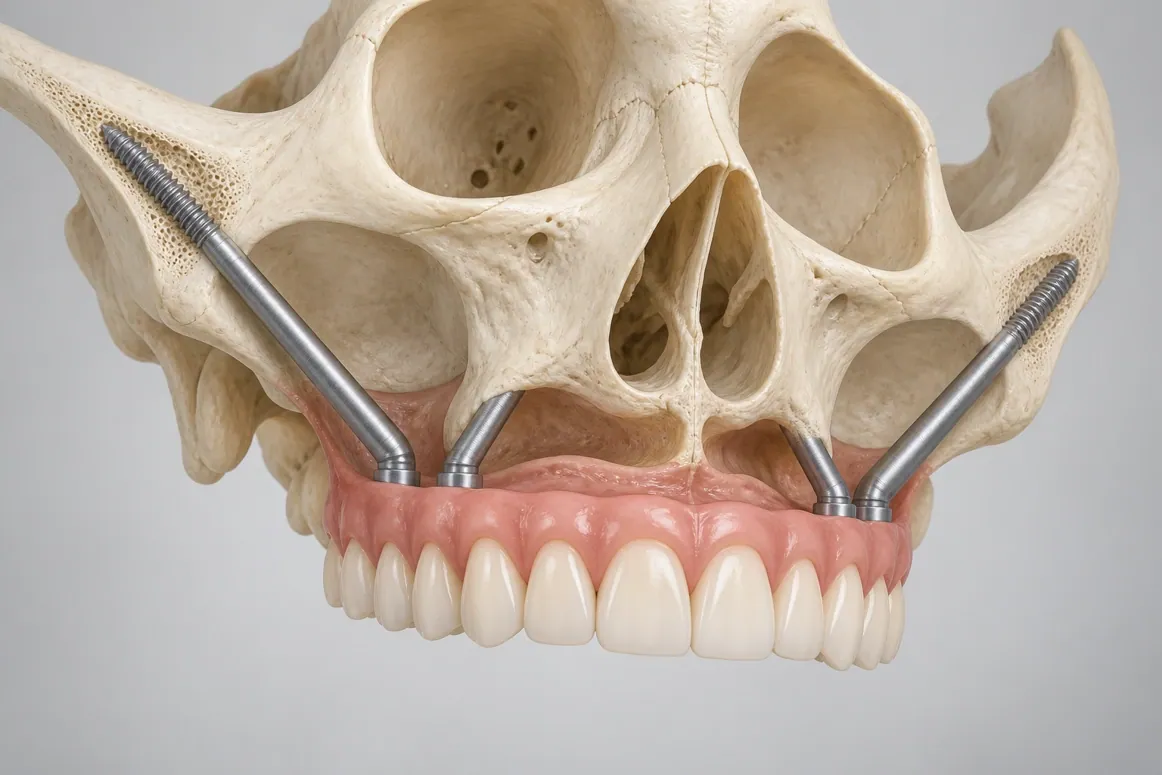
Educational 3D illustration; individual anatomy and treatment planning vary.
Frequently asked questions
What is this treatment?
A zygomatic implant is a longer dental implant anchored in the cheekbone rather than relying entirely on the tooth-bearing upper jaw. It can help support a connected dental prosthesis when severe maxillary bone loss limits conventional implants. It is an advanced reconstructive option, not a routine replacement for every missing tooth.
Am I a suitable candidate?
Assessment may be appropriate for adults with a severely resorbed upper jaw, unsuccessful previous rehabilitation or certain defects after trauma or resection. The amount and position of remaining bone, sinus health, soft tissues and ability to clean the planned prosthesis are important. A specialist examination determines whether this approach or another reconstruction is preferable.
Are there alternatives to this treatment?
In selected patients, cheekbone anchorage may reduce the need for extensive grafting and support a fixed upper restoration. This does not mean that grafts are always unnecessary or that teeth can always be fitted immediately. Conventional implants with augmentation, alternative advanced implants and removable prostheses should also be discussed, including their maintenance and surgical burden.
What assessment is needed beforehand?
The planning visit includes examination of the teeth, gums, bite and relevant jaw structures. Tell the clinician about previous operations, smoking, diabetes, allergies, anticoagulants, antiresorptive medicines and other prescriptions. Do not stop medication yourself. Imaging is selected only when clinically justified. Discuss alternatives, anaesthesia, the stages of care and a written estimate before consenting.
What happens during the procedure?
A maxillofacial or appropriately trained implant surgeon plans the implant trajectory using three-dimensional imaging and the intended tooth positions. Under suitable anaesthesia in an appropriately equipped setting, the implants are positioned and connected to a prosthetic plan. Immediate provisional teeth are considered only if stability, implant distribution and the bite permit; definitive teeth are a separate stage.
What should I expect during recovery?
Swelling, bruising, tenderness and temporary limitations on chewing can follow surgery. The team provides a suitable diet, oral cleaning instructions and any sinus precautions required by the chosen technique. Do not test the teeth with hard food. Early review checks wounds and prosthetic function; increasing facial pressure, nasal symptoms or new altered sensation require assessment.
How long does the treatment take?
Surgery may take several hours, depending on implant number, extractions and reconstruction. Initial soft-tissue recovery is measured in weeks, while the timing of definitive teeth is individual and often extends over months. A same-day provisional restoration, when possible, is not the same as completed healing or a guaranteed final result.
What risks should I discuss?
Risks include sinus inflammation, infection, bleeding, soft-tissue problems, altered sensation, implant loss and prosthetic complications. The proximity of the orbit and other facial structures makes accurate planning and surgical experience essential. Previous sinus disease may require additional evaluation. Long-term hygiene access and professional maintenance are necessary, and further treatment may occasionally be needed.
What follow-up will I need?
Follow the individual cleaning, diet and activity instructions provided by your clinical team. Attend scheduled reviews, even if you feel comfortable, and report new swelling, bleeding, altered sensation or difficulties with the bite. If travelling, arrange local aftercare and emergency contact details before leaving; remote photographs cannot replace an examination when a complication is suspected.
Other treatments
Explore our full range of treatments
Smile Gallery
Join 20,000+ Satisfied International Patients


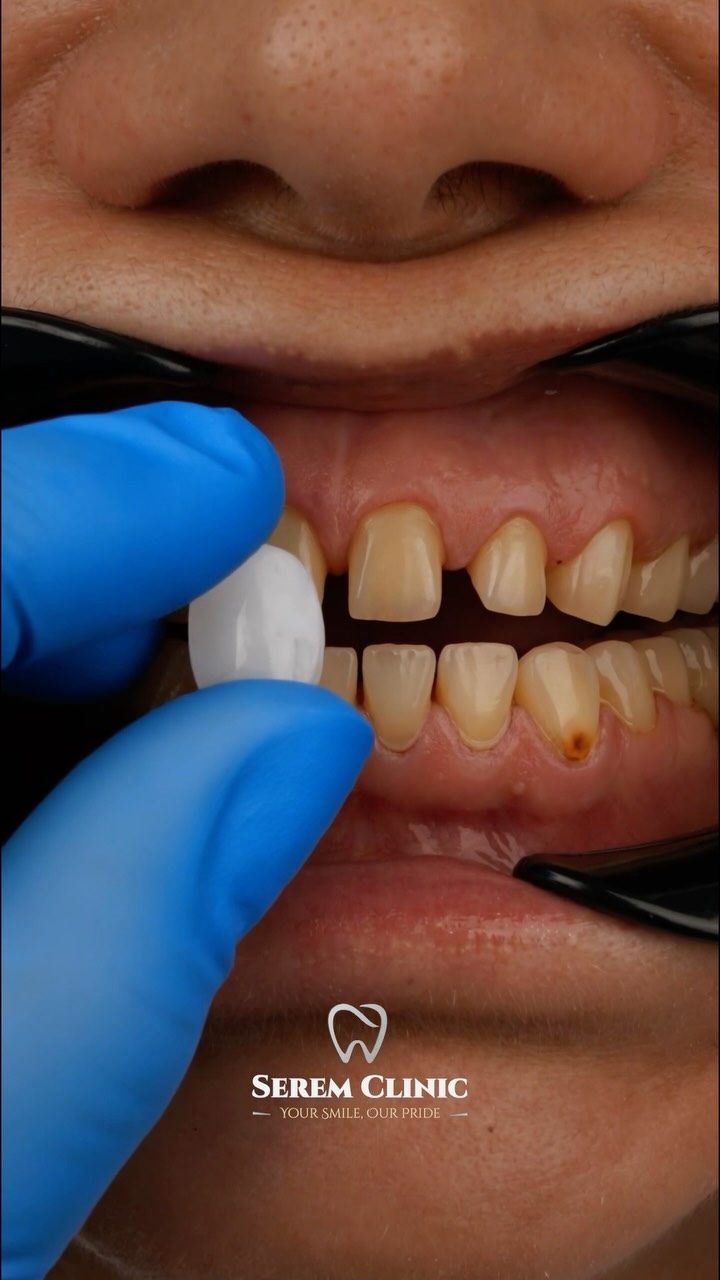


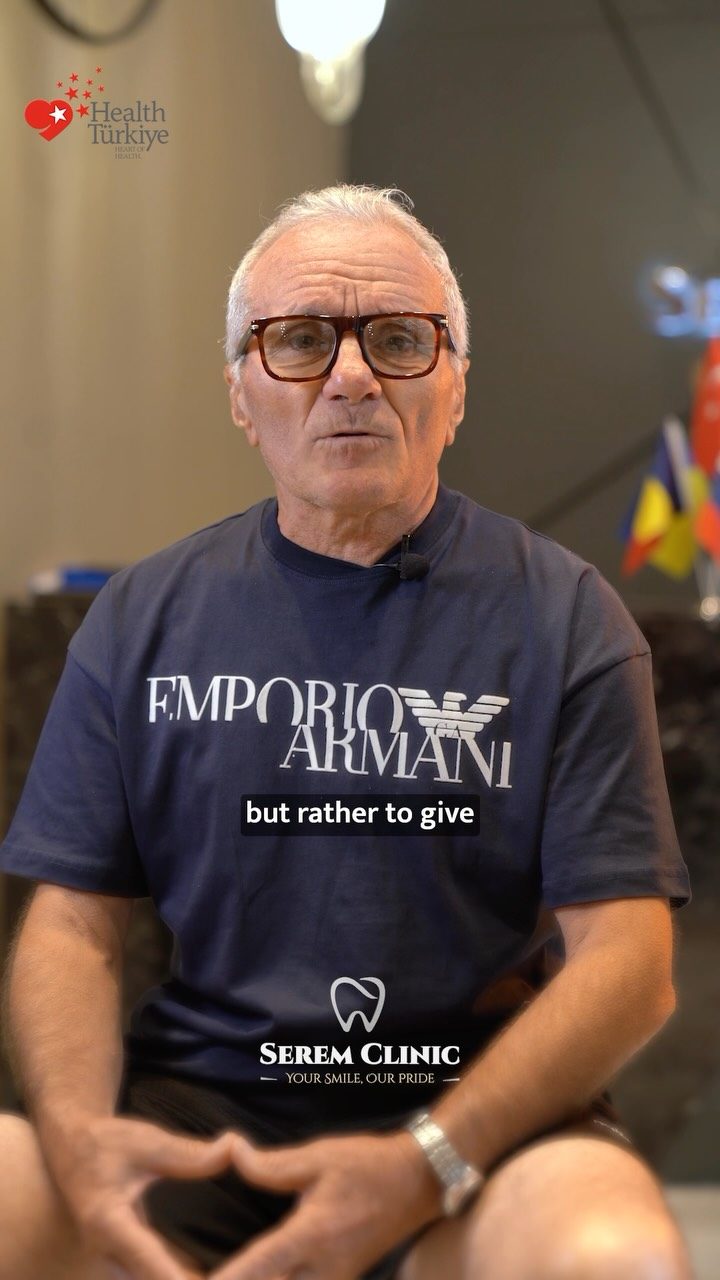
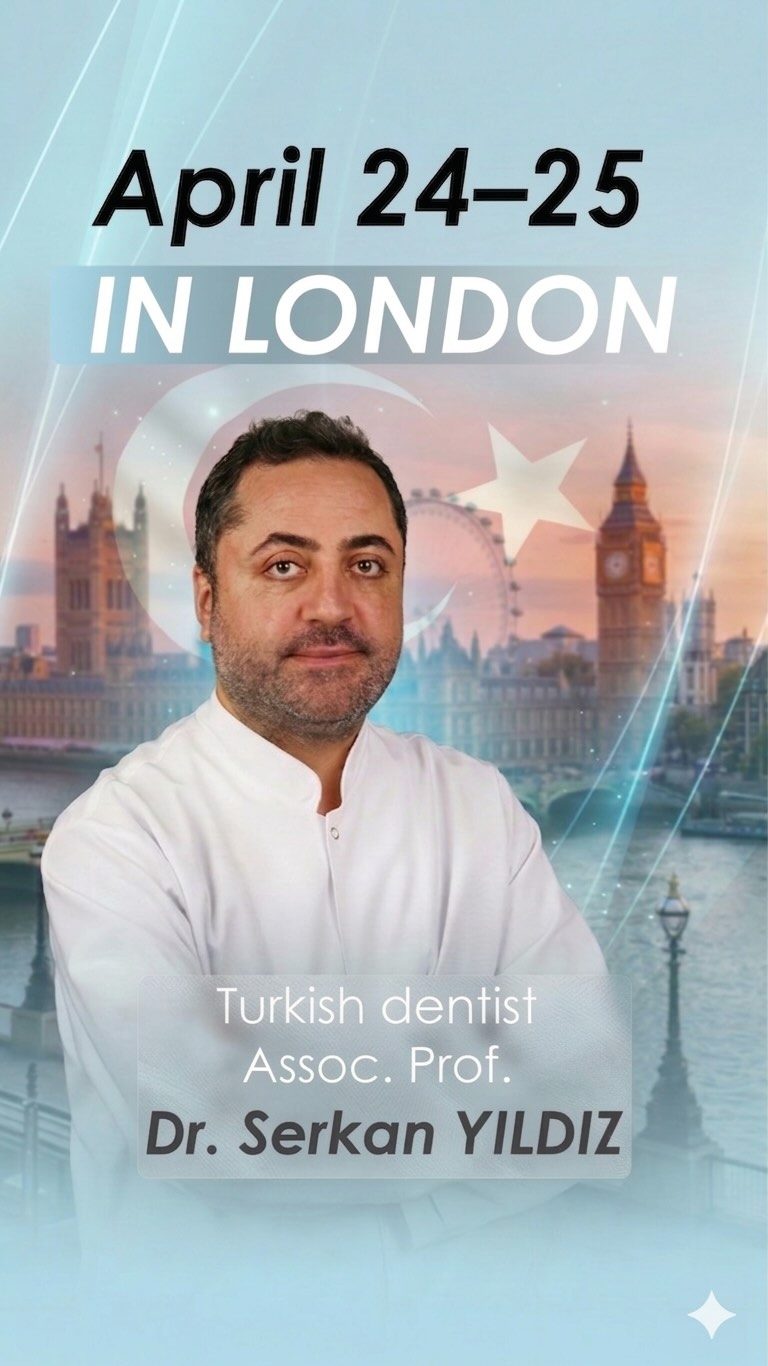
Join 20,000+
Satisfied International Patients
who found their perfect smile in Istanbul’s most trusted Dental Clinic
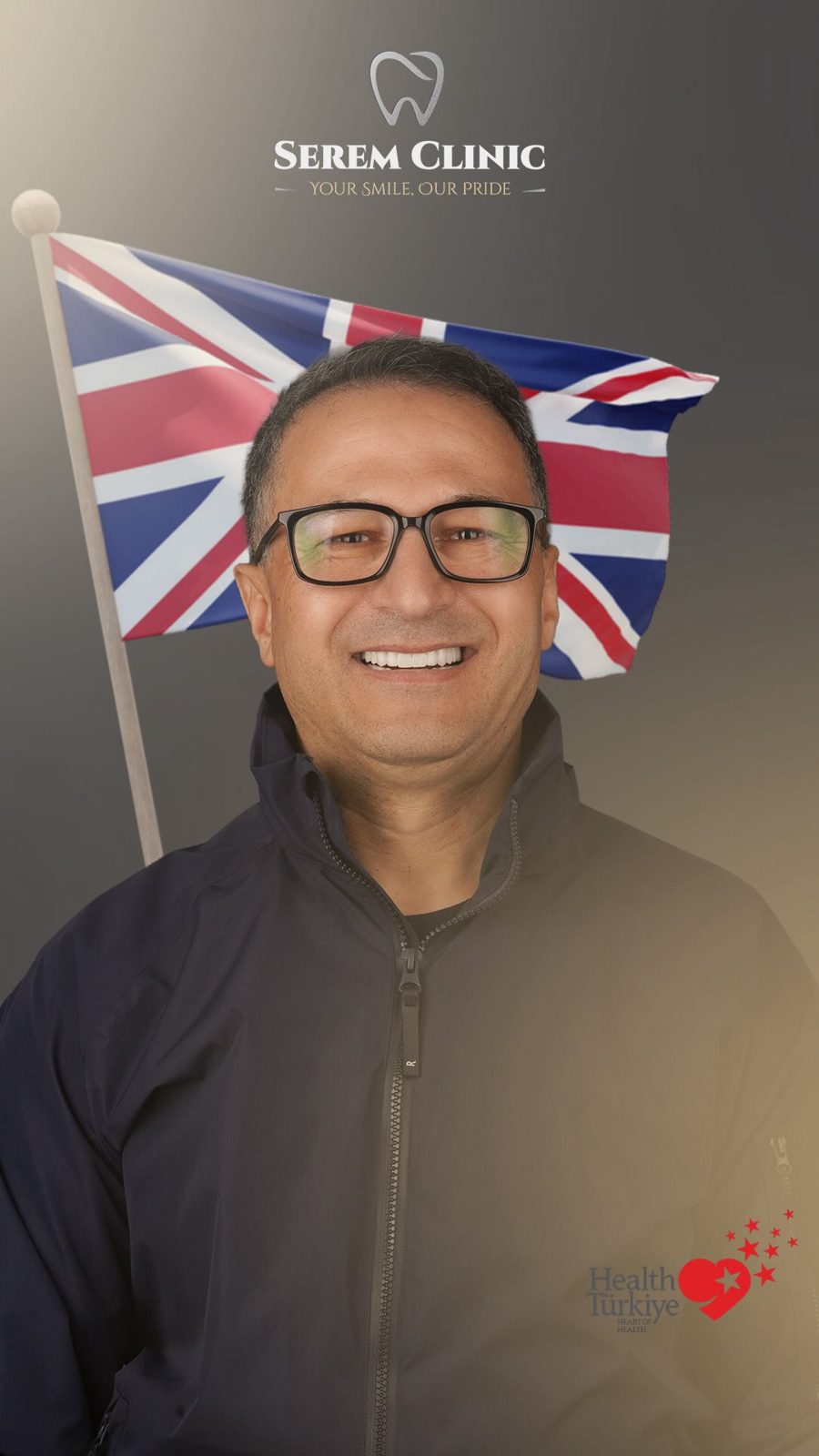

Reviews
Read what our patients say about their experience






 70%


